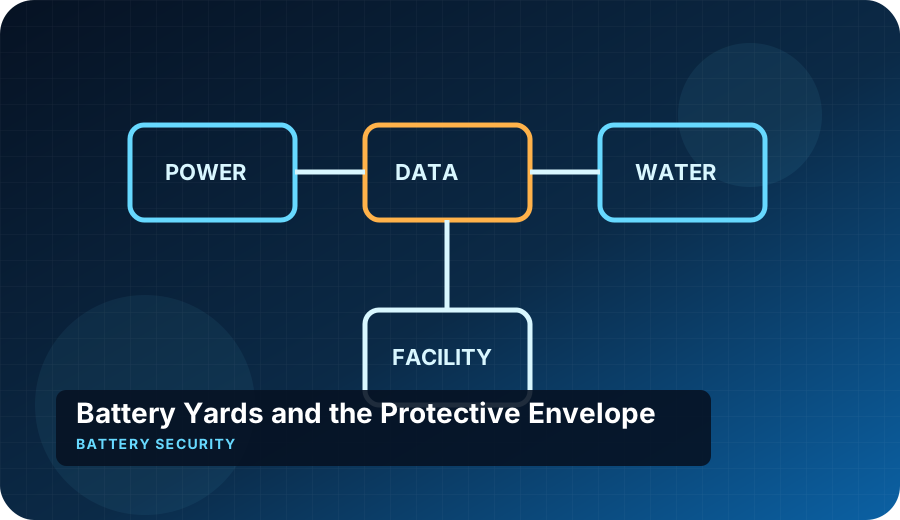
Energy storage sites need protective envelopes that manage impact, access, fire exposure, and continuity risk.
The yard is part of the asset
Battery energy storage systems are often discussed as equipment, but the yard around the equipment defines risk movement. Vehicle approach, access control, spacing, fire exposure, and adjacent property all matter.
Protective envelopes can reduce cascade potential
A protective envelope can separate hazards, slow unauthorized access, protect vulnerable equipment, and create better emergency-response conditions. The right wall or barrier is not decorative. It changes how failure propagates.
The useful question is not whether a facility can be called smart. The useful question is whether its materials, sensors, rooms, and people create a better response under stress.
Material performance should be specified early
Late-stage security additions rarely fix poor site logic. Protective material platforms, including Amidon Shield, should be considered while layout, setback, access, and maintenance plans are still flexible.
Energy security is physical security
Grid support, backup power, and resilient energy storage will only be as dependable as the facilities that protect them.